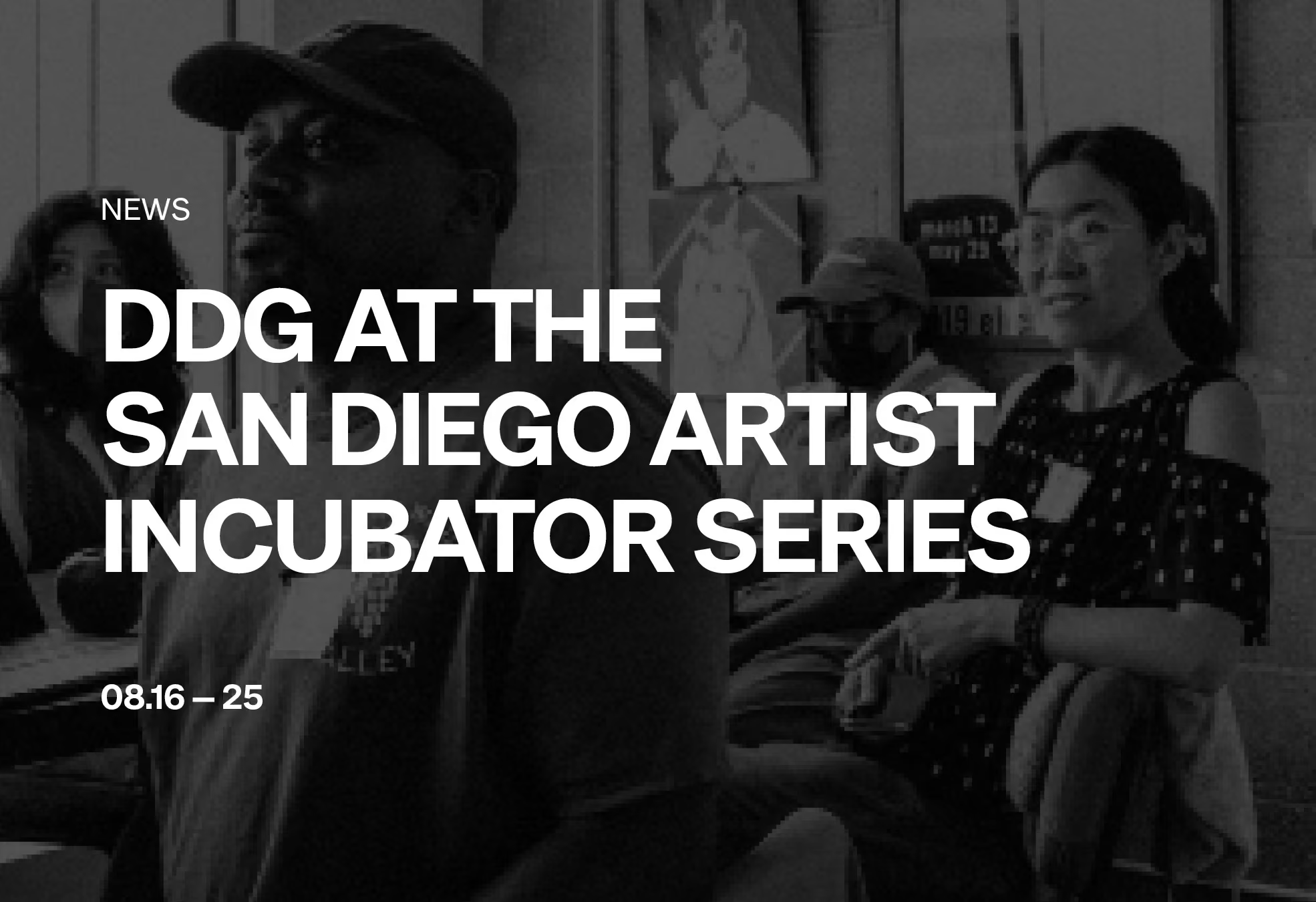

Back in October, I took part in Ask Us Anything 3.0, a conversation led by Dr. Cheryl D. Miller alongside West Coast BIPOC designers. On paper, it was a panel. In reality, it felt more like a check-in—a moment to pause, reflect, and name a lot of things many of us have been quietly building toward in our work.
What kept coming up was culture. Not culture as decoration. Not culture as a talking point. But culture as responsibility.
That’s something we’ve been leaning into hard at Dynamo Design Group (DDG). Over time, culture stopped being something we referenced and became something we started with. It affects how we listen to clients, how we frame problems, and how we define what success even looks like. Long before colors, type, or layouts enter the conversation.
Design doesn’t happen in isolation. When culture is ignored, design feels hollow. When it’s centered, design slows down and gets more honest. It asks better questions. It becomes intentional.
A lot of our work at DDG lives in underserved and historically overlooked communities. Culture forces us to move with care in those spaces. It checks our assumptions. It reminds us that our role isn’t to come in with answers—it’s to collaborate, listen, and build alongside people who already know their own realities.
We don’t design for communities. We design with them. That distinction changes everything.
And honestly, once you start working this way, it’s hard to go back. Because culture stops being an aesthetic choice and becomes a strategy. The foundation. The framework.
That mindset doesn’t turn off when I step into the classroom.
Teaching design has shown me that education isn’t neutral either. Every student walks in carrying their own background, access, and lived experience. Ignoring that doesn’t create fairness—it creates silence. Acknowledging it opens up the room.
I try to make it clear early on: your lived experience isn’t a limitation. It’s not something to strip away to sound more “professional.” It’s a resource. It’s context. It’s where good questions come from.
This changes how critiques work. How projects are framed. Who feels confident enough to speak. Students are encouraged to look inward first—understand their own stories—then connect outward to larger cultural and social systems. When that happens, the work gets deeper. It gets more grounded. It actually means something.
Being part of Ask Us Anything 3.0 reminded me how important it is for these conversations to happen out loud and together. Hearing from other BIPOC designers and educators across the West Coast made it clear we’re all circling similar questions, just from different angles.
How do we design responsibly?
How do we teach beyond software?
How do we build systems that reflect the people they’re meant to serve?
I left the event feeling affirmed. Not like everything is figured out, but like we’re moving in the right direction. Culture isn’t a trend. It’s not a buzzword. It’s a long-term commitment—to better design, better education, and more accountable work.
When culture is centered, design becomes more human. And at this point, that feels non-negotiable.